Product Knowledge
Flute Width and Depth: Matching the Profile to the Room
A narrow flute reads as fine texture on a large wall and as busy in a small room. Width and depth are scale decisions before they are style decisions.
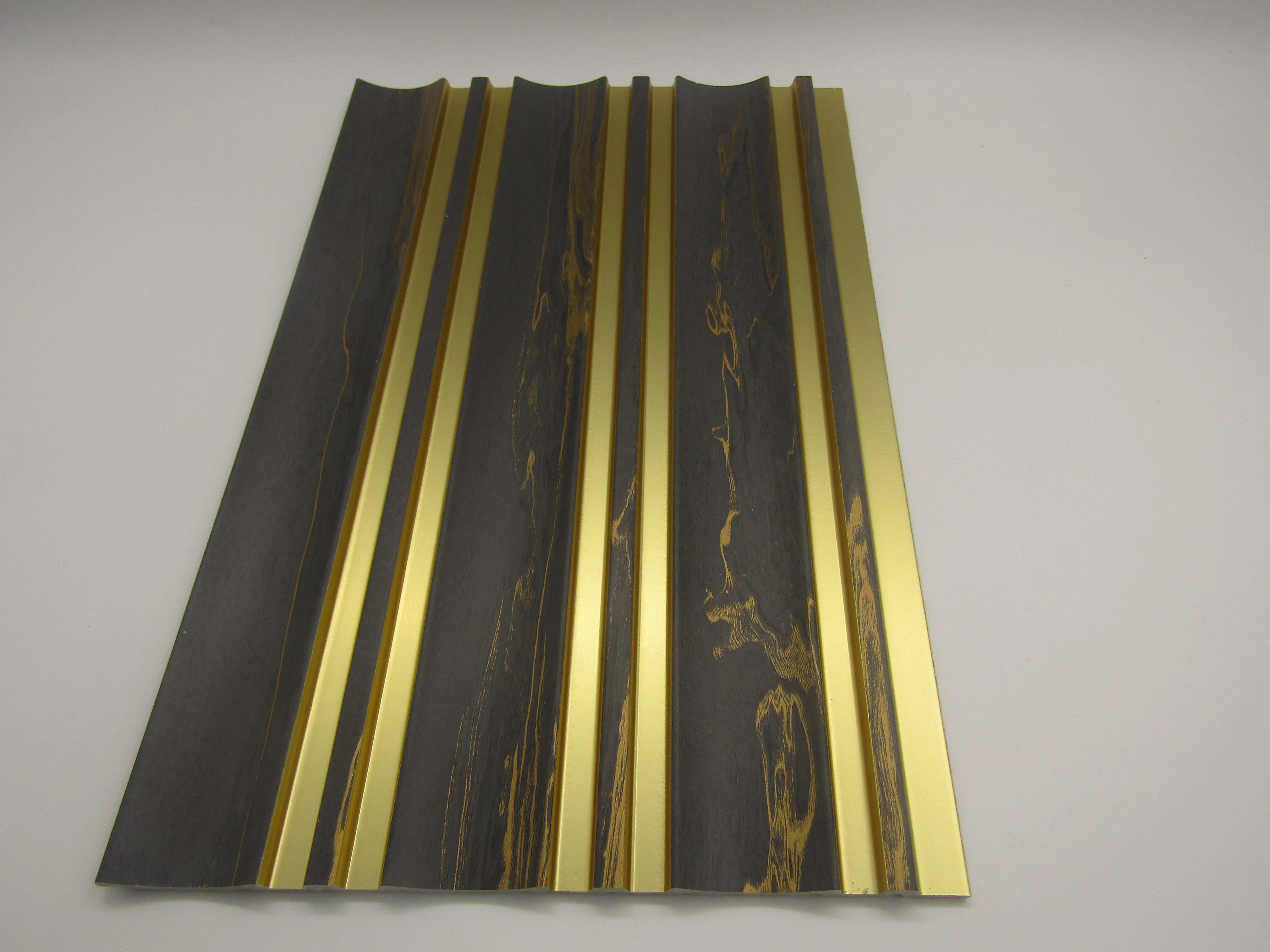
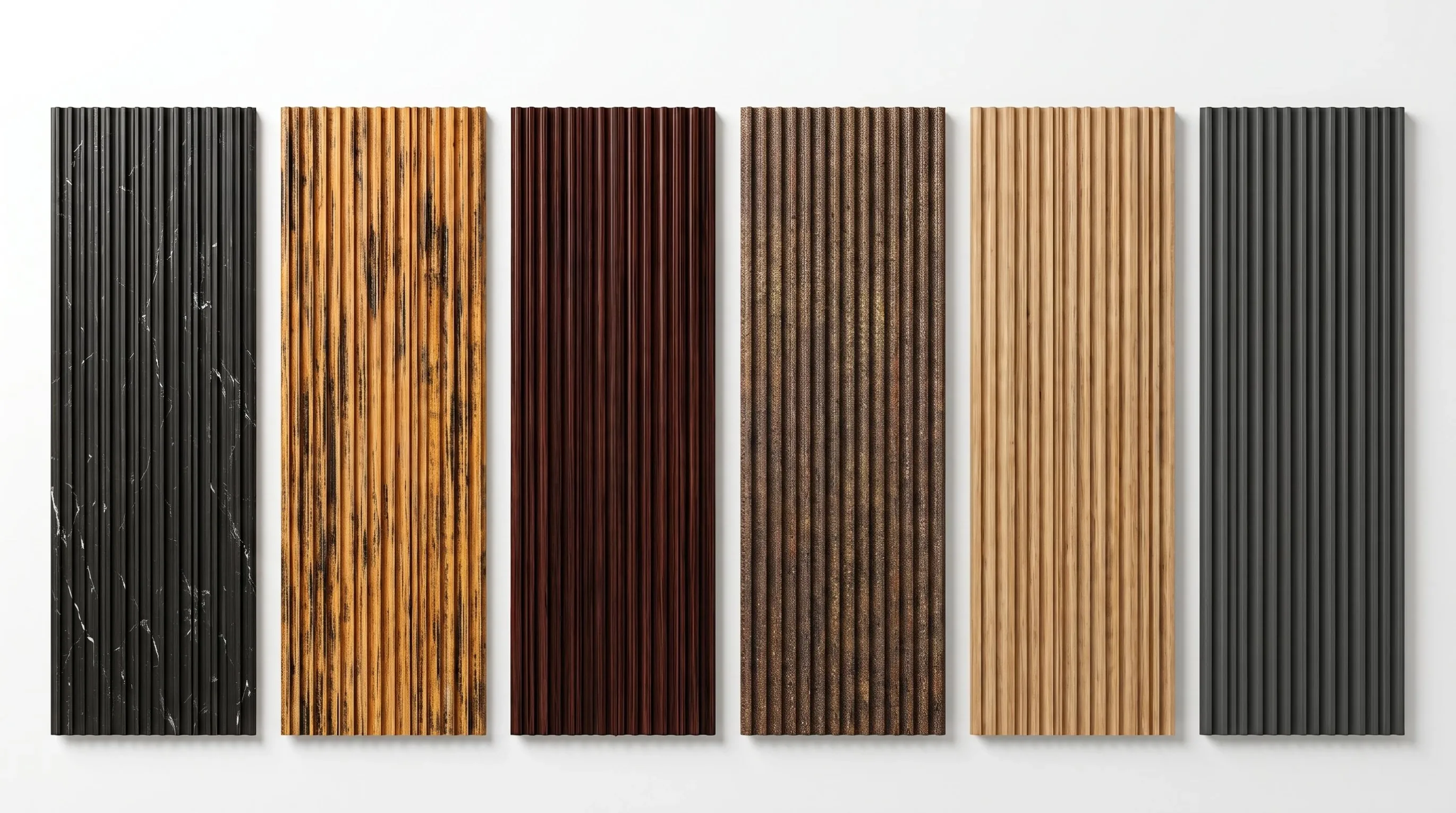
Two specifiers can choose the same woodgrain finish, the same wall, and land on two different products that behave nothing alike. The difference is the profile: how wide each flute is, and how deep. Neither number is on the colour chart, and both decide how the wall reads from where people actually stand.
Width is a scale decision
A narrow flute on a large wall reads as a fine texture. The same profile on a small wall reads as busy. That is not a matter of taste so much as a matter of how much repetition the eye takes in from a given distance.
As a working rule, match the flute width to the viewing distance. Wide profiles in the 240mm to 316mm range suit lobbies, corridors and double-height spaces seen from a distance. Profiles in the 118mm to 153mm range sit better in bedrooms, cabinetry fronts and small retail units, where the viewer is closer and the wall occupies less of the sight line.
The practical test is to stand where the client will stand. A corridor is judged from one end, a bedroom from the doorway or the bed, a reception desk from the queue. If the wall is only ever seen from close up, a wide profile may read as broad stripes rather than as a surface.
The same panel is a texture in one room and a pattern in another. Distance decides which.
Depth controls the shadow
Thickness is what produces the shadow line that gives a fluted wall its character. Deeper profiles in the 18mm to 30mm range cast a pronounced shadow under directional lighting, which is why they are often specified for feature walls where the surface itself is the subject.
Slimmer profiles in the 4.5mm to 7mm range are quieter. They are chosen where the panel is one element in a layered scheme rather than the focal point: behind a sofa, alongside joinery, or in a room where the lighting is even and no strong shadow is wanted.
This is where the lighting plan and the profile choice meet. Directional light down a deep flute is what makes the shadow line visible; under flat, even light a deep profile loses much of its advantage and a slim one holds up better than expected.
Width and depth are separate choices
These two numbers move independently, and conflating them is where specifications go wrong. A wide, shallow profile reads as broad subtle relief; a narrow, deep one gives a tighter, more pronounced rhythm. Both combinations exist in the range, and they are not the same product bought at different sizes.
In practice the pairing is fixed per model, so the real decision is which model to specify rather than which two numbers to combine. The model code carries both dimensions, which is why quoting the code is more reliable than describing the look.
Where the two decisions collide
A double-height lobby wants a wide profile for distance and a deep one for shadow under directional light, which is the easy case: both point the same way. A compact room with a strong feature wall is the harder one, because the wall wants depth for presence while the viewing distance argues for a narrower flute. That is the specification worth drawing before ordering, not after.
Bedrooms and small retail units fit the narrower, slimmer end for a different reason: at close range a strong shadow pattern competes with everything else in the room, and the wall stops reading as a background.
What to write on the specification
Name the model, the width, the thickness and the length, and add the viewing distance the wall will be judged from. Those four items let a supplier confirm that the specification and the drawing agree before production, and they let the lighting designer work out where the shadow will fall rather than discovering it on site.