Buyer Guides
Quoting by Square Metre? How Indian Importers Should Plan a Mixed-Width Order
A per-square-metre comparison hides the number that actually drives a container plan: cartons per profile. Here is how to build a mixed order that ships.

If your business carries several fit-out projects at once, a single-profile order is the exception rather than the rule. The order that comes back from the factory is a mix of widths and finishes rather than one line item, and that is a normal shape of order in this category. What is less usual is planning it in square metres.
The per-square-metre comparison hides the real unit
Two profiles quoted at the same rate per square metre can require very different numbers of cartons for the same wall area, because cartons hold between 8 and 38 pieces depending on the profile. The quote looks comparable; the container plan is not. When you compare suppliers on a square-metre figure alone, you are comparing a number that does not appear anywhere on the packing list.
The figure that does appear is the carton count per profile. That is what to collect from each supplier before you compare anything, and it is what decides how much of your container is committed to a slow-moving width.
A width mix is the normal shape of an order
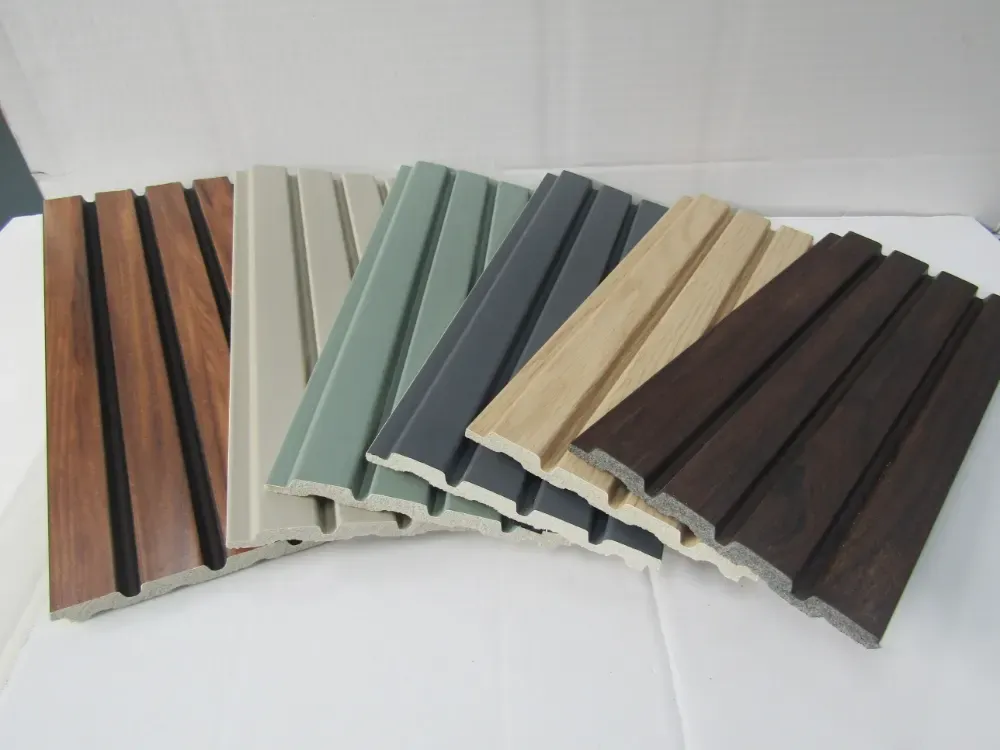
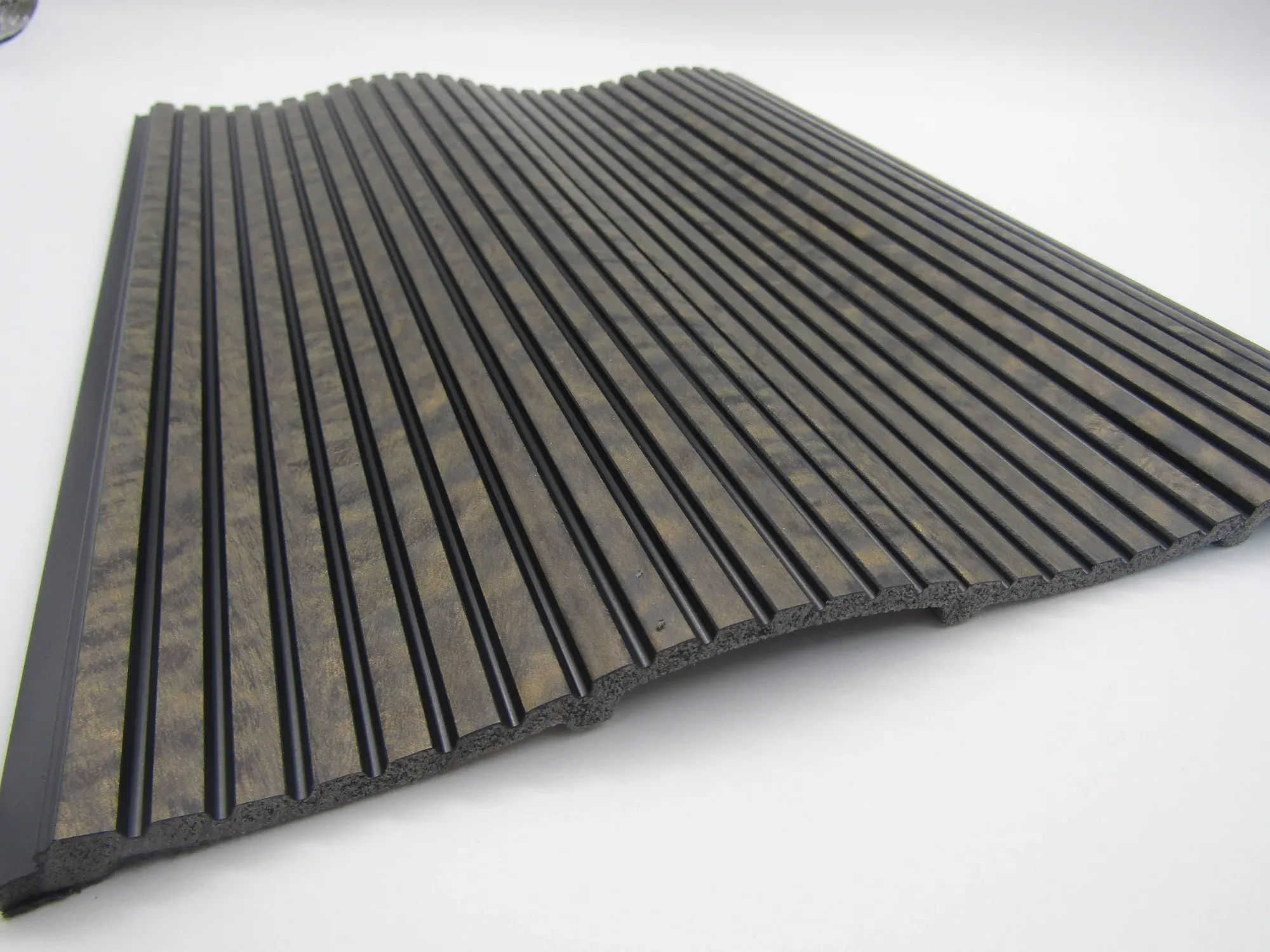
This range runs from 118mm to 316mm wide across more than fifty flute profiles, in eight surface finishes. An order that covers both joinery-scale work and feature walls will usually want at least one narrow profile and one wide profile, and in India those two requests may arrive in local trade vocabulary and in the factory term for the same product.
That is why mixed-width and mixed-finish loads are quoted against the actual order rather than from a published price list. There is no single list price that can express a container split across four widths — the combination is the specification.
Where the plan usually goes wrong
The common mistake is to settle the width split last. Loading is planned around carton volume and carton counts, not around a square-metre target, and the relationship between cartons and square metres differs from profile to profile. A width that seemed like a small addition at the end of the negotiation can turn out to occupy a disproportionate share of the container.
The second mistake is treating the mix as a detail to settle after the price. In practice the mix is an input to the price. Fix the width split first, then the quote is buildable; fix the price first, and the split has to be negotiated twice.
A square-metre figure tells you what the wall costs. A carton count tells you what the container carries. Only one of those can be loaded.
What to put in a mixed-width enquiry
Send the width split by project, not a single total area. For each width, state the model, the area it has to cover, and whether the finish is fixed or still open. Add the required length as well, since a wall taller than the panel length means two lengths per vertical run. That gives a supplier enough to convert each line into cartons and to show you the combined plan before you commit.
Ask for the carton count per model in writing, and check it against the packing list you were sent. A quotation that cannot state cartons per line is not yet a container plan, however competitive the square-metre rate looks.
Timing the order around the mix
Lead time runs around 25 days, and annual capacity is roughly 120 high-cube containers. A mixed order can take longer to consolidate than a single-width one, so it is worth building that into the schedule rather than discovering it at dispatch.
If you are splitting a container across three widths for projects in different stages, put the split in writing at the enquiry stage and the carton plan can be confirmed against it before anything is produced. If you are working out a width mix for a set of projects, send the split and the areas through our contact page and it can be checked against the carton counts before the order is placed.