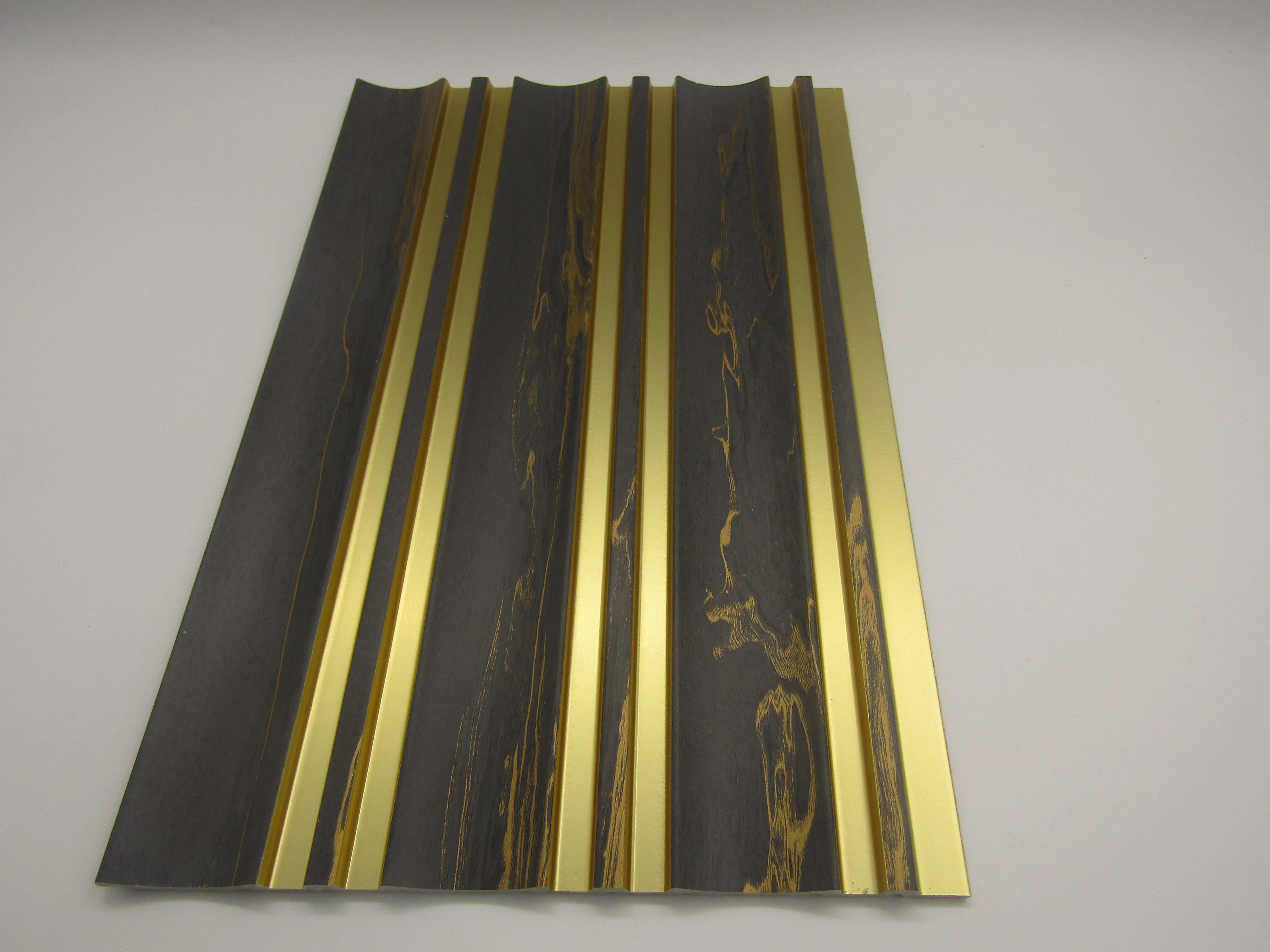
Product Knowledge
PS Wall Panel Colour Codes: How the Series Code Is Built
A colour code names a series and a position inside it. Here is how the codes are structured, how far the counts differ, and where they get confused.
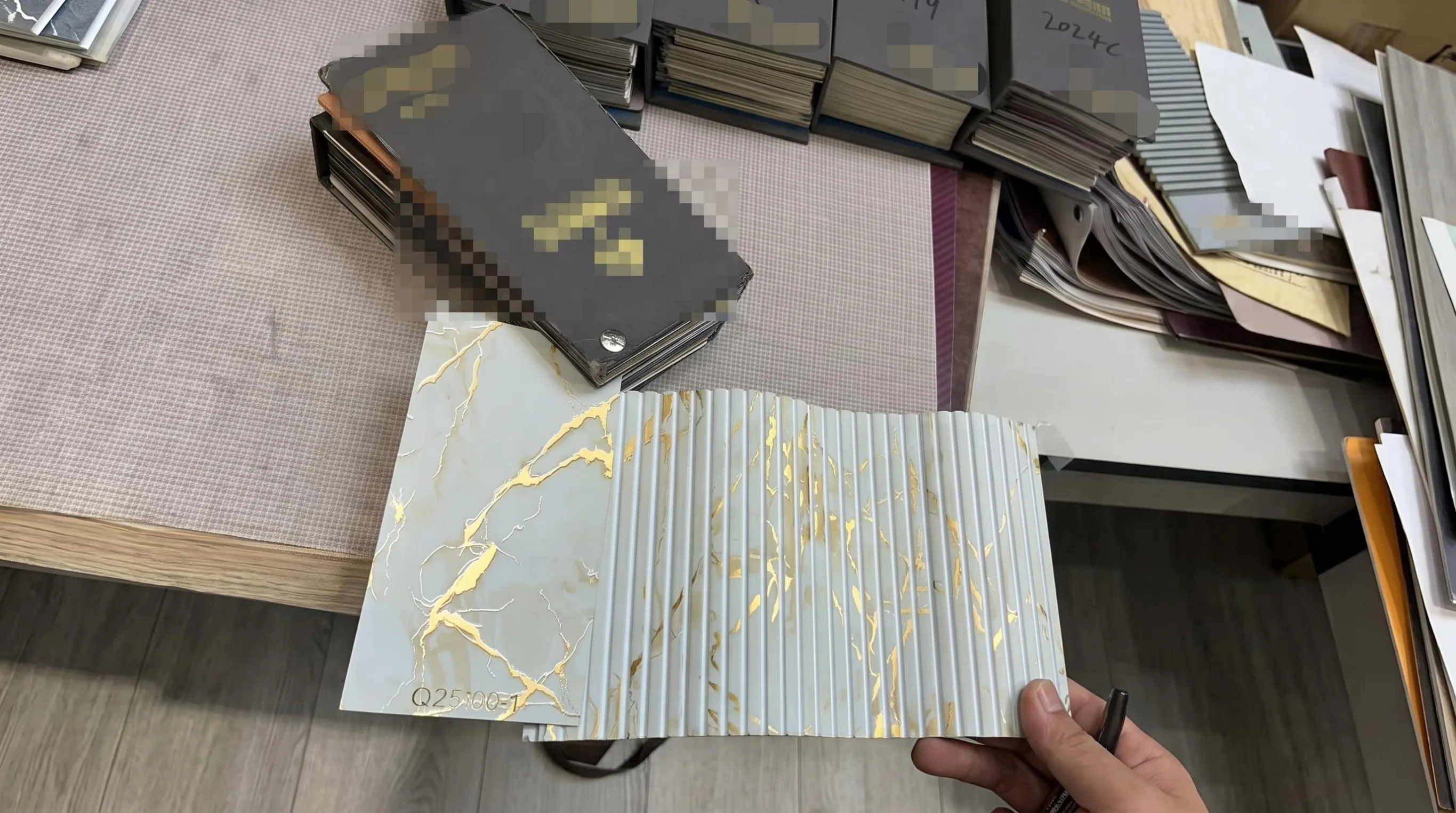
Colour decisions on a PS wall panel order are often left until the profile and the quantity are settled. That works against you, because the colour suffix sits at the end of the model code and is the part most often copied incorrectly. Once you know how the code is built, the colour conversation gets shorter.
A colour code is a series prefix plus a position
Every colour code in this range follows the same pattern: a model code, then a hyphen and a number. D3003D-1 is the first colour under the D3003D model. The model part fixes width and thickness, the number fixes the colour, and length is confirmed on the order. So the colour suffix carries no dimensions of its own.
The count of codes is not the same across the range
The series differ widely in how many colours they list. DC12012 is listed with two, DC15318 with seven, DC25018 with thirteen, DC20012 with eighteen, and DC24719 with twenty-three. The two 300mm by 3mm series fall inside that span, with seven for D3003C and six for D3003D.
That spread matters when you are shortlisting. A buyer who asks for 'the colour chart' without naming the series can be sent the wrong sheet, because the published colour list runs from two codes on DC12012 to twenty-three on DC24719. Ask for the chart of the specific series you are specifying.
One profile can carry two separate colour sets
D3003C and D3003D share the same 300mm width and 3mm thickness, and they do not share a colour list. One publishes seven codes, the other six. A panel specified as D3003C-3 cannot be substituted with a D3003D code on the assumption that the dimensions match, because the colour sets are separate ranges rather than one pool split in two.
Two panels can agree on every measurement and still disagree on colour. The code is where that distinction is written down.
One model number can hide three colour series
DC30006 is the case that catches people out, because one model number covers three colour series. The base DC30006 is listed from -1 to -21, the DC30006A from -1 to -24, and the DC30006B from -1 to -8 plus -14. The suffix letter on the model is what separates them: DC30006-14, DC30006A-14 and DC30006B-14 are three different colours that all carry the number 14.
When you quote this model, write the sub-series letter with the code. Dropping it is the difference between a line that can be picked and one that comes back as a question.
What a long colour list does to your own SKU sheet
A series with twenty-three codes is not twenty-three times more useful than a series with two. Each code you choose becomes its own line on your purchase order and your stock sheet, and each has to be counted separately. A shortlist of a few codes per series is usually simpler to record and to hand to a fitter than one that spans the whole range.
The practical question to ask is not how many colours exist, but which codes are workable for the quantity you need. Availability by code is confirmed per order, and pricing is set against the actual order rather than taken from a list.
What to put in a colour shortlist
Write the series code, the exact colour codes you are considering, the sub-series letter where one exists, and the area to be covered. With those four fields a supplier can confirm the codes against your quantity and tell you which of them are workable.
If you are weighing several series for one project, send the shortlist through our contact page and we will come back with the codes that are workable for your volume.